
Identification
Identifying maple trees in Canada
The main maple species found in Canada, their distinguishing features and geographic distribution by climate region.
Read articleSpecies identification, pruning windows, winter care and regional considerations — a reference guide for property owners and land managers across Canada.
Main topics
Caring for maples in northern settings depends on knowing the species, respecting seasonal cycles and adapting to winter conditions typical of Canada.
Identification
The main maple species found in Canada, their distinguishing features and geographic distribution by climate region.
Read article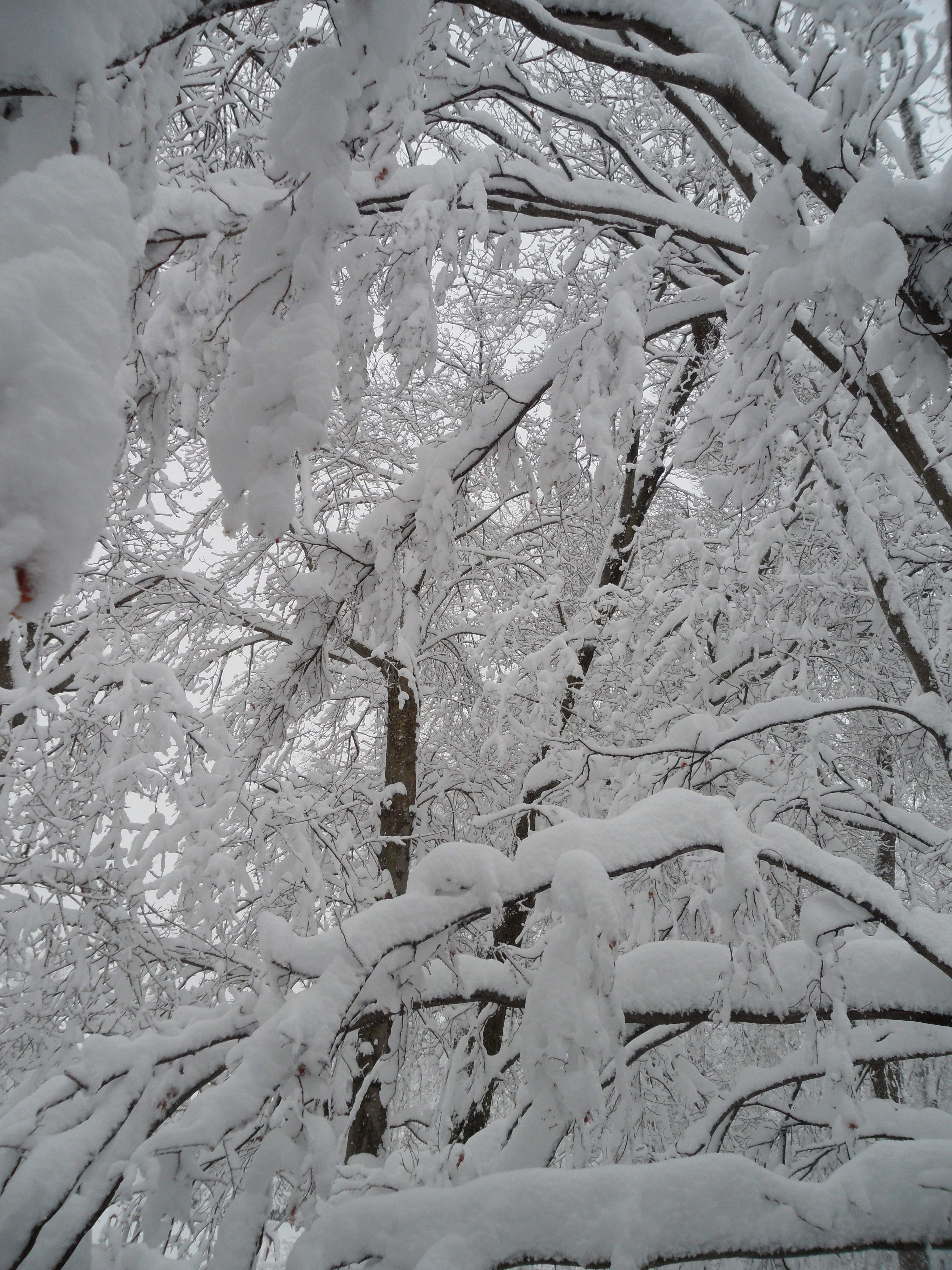
Pruning
When and how to prune a maple during dormancy — techniques, tools and precautions suited to Canadian winters.
Read article
Maintenance
Frost protection, soil amendments, disease monitoring and the annual maintenance cycle for maples in cold zones.
Read articleContext
The sugar maple (Acer saccharum) is the tree most closely associated with central Canada. It grows naturally in mixed deciduous forests in Quebec, Ontario and the Maritimes.
Native Canadian maples tolerate temperatures down to −40 °C in the coldest zones, provided full dormancy is established before the first severe cold.
The maple growing cycle is closely tied to spring freeze-thaw cycles, which govern sap rise and the best times for intervention.
Canada has several native maple species — sugar, red, silver and Manitoba maple — each with different care requirements and cold tolerance.
Snow and ice loading on branches is a common cause of structural breakage in maples. Appropriate preventive pruning reduces this risk.
Maintenance practices differ by climate zone: maples on the Prairies face drier, colder winters than those in eastern mixed forests.
Pruning and dormancy
Pruning maples during full dormancy — generally from December through late February depending on region — offers several advantages. Trees do not bleed sap, fungal diseases are less active and branch structure is fully visible without foliage.
The Canadian Forest Service and Natural Resources Canada arboriculture guides recommend avoiding pruning during spring sap rise, which can weaken the tree and attract pests such as the emerald ash borer on nearby ash.

Contact
Use the form below to ask a question. Responses are provided when possible and do not constitute professional advice.