Annual maintenance cycle
Maple care in northern settings follows four distinct seasonal phases. Each corresponds to a specific physiological state and calls for different interventions.
-
Autumn — Preparing for dormancy (September–November)
Preparation before the first frosts. Soil amendment if needed, protective mulch around the base, removal of dead branches identified during the season.
-
Winter — Dormancy (December–February)
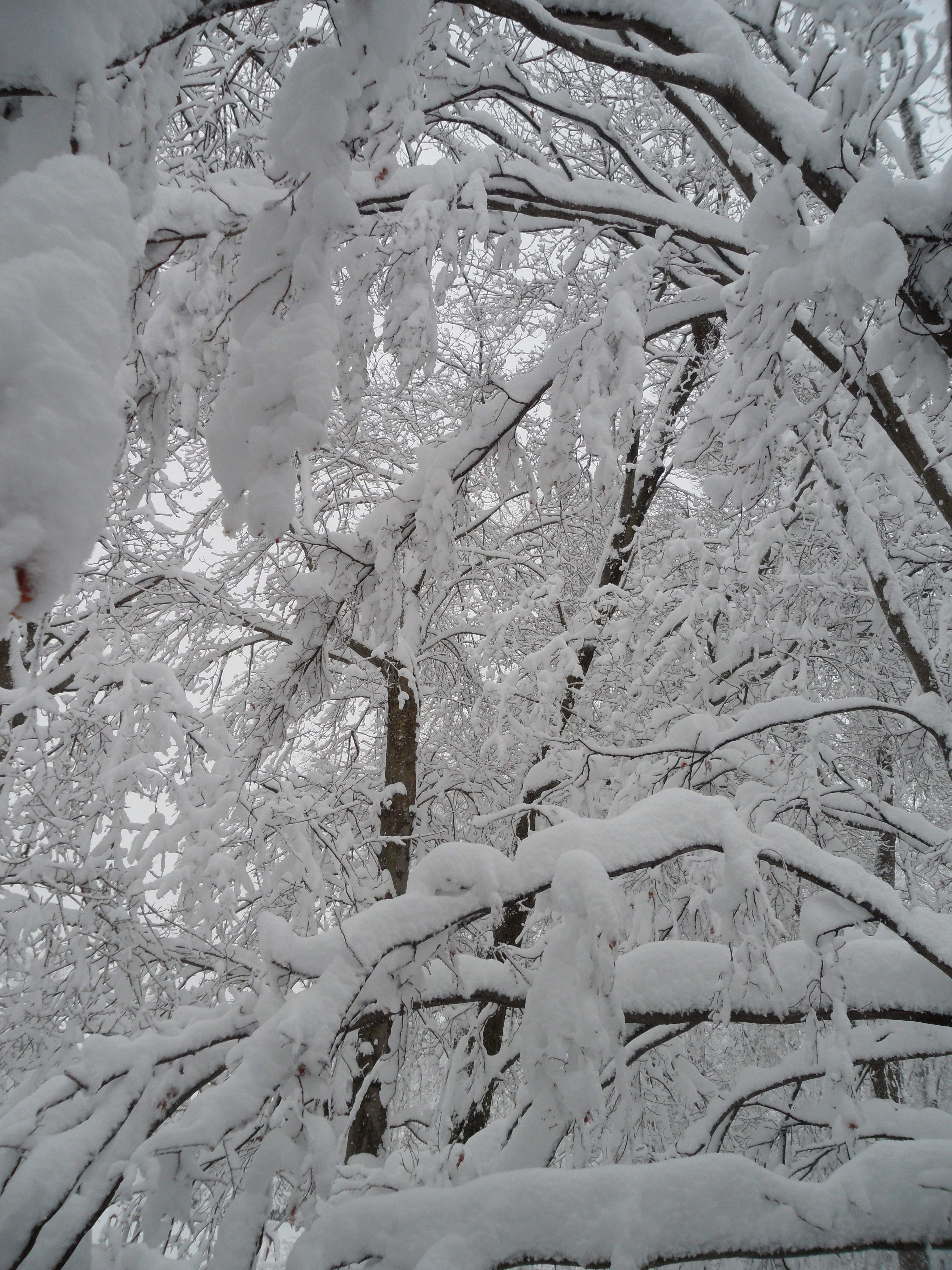
Optimal period for structural pruning. Monitoring for breakage from snow and ice. Careful snow removal around the base if accumulation is excessive.
-
Spring — Active growth (March–May)
Post-winter inspection: cracks, bark separation, signs of late frost. Light fertilization if soil requires it. Avoid major pruning during sap rise.
-
Summer — Active growth (June–August)
Watering during prolonged drought — maples are sensitive to summer water stress. Monitoring for insects and diseases. Light corrective pruning possible through July.
Soil and nutrition
Sugar and red maple prefer slightly acidic to neutral, well-drained soils that retain moisture. On the Prairies, alkaline calcareous soils can cause chlorosis — yellowing between leaf veins — indicating iron or manganese deficiency.
Mulching
A layer of organic mulch (wood chips, shredded leaves) 5 to 10 cm deep around the base, without touching the trunk, offers several benefits in northern settings:
- Insulates soil against repeated freeze-thaw cycles in spring and autumn.
- Retains moisture in summer, reducing water stress.
- Gradually adds organic matter as it decomposes.
- Prevents mechanical damage to the base from mowers or trimmers.
Note: Mulch should never be piled against the trunk (the "mulch volcano" effect). This traps moisture against bark, promotes rot and can smother cambium tissue.
Fertilization
Mature maples in natural forest soil generally do not need fertilization. In urban or suburban settings, where soil is often compacted and depleted, a soil test can determine whether nitrogen, phosphorus or micronutrient application is warranted. Excessive nitrogen promotes rapid vegetative growth at the expense of winter hardiness — insufficiently lignified new shoots are more susceptible to frost injury.

Common diseases and pests in Canada
Maple anthracnose
Caused by several fungi in the genera Discula or Apiognomonia, anthracnose appears as irregular brown spots on leaves, sometimes followed by partial defoliation. It is favoured by cool, wet springs — common in eastern Canada. Vigorous trees generally tolerate infection without treatment; weakened trees may need closer attention.
Nectria canker
Nectria galligena is a pathogenic fungus that colonizes pruning wounds, mechanical injuries and frost cracks in bark. It causes cankers — sunken areas of dead tissue on branches or trunk — that expand over time. Prevention relies on clean cuts, disinfected tools and avoiding pruning during freeze or sap-rise periods.
Emerald ash borer — indirect risk
The emerald ash borer (Agrilus planipennis) primarily targets ash, but its spread in Canadian sugar bush areas disrupts forest ecosystem balance. Death of adjacent ash alters microclimate and exposes maples to new light and moisture stresses.
Scale insects and spider mites
During summer drought, urban maples can be colonized by scale insects or spider mites. Populations are usually regulated by natural predators in less disturbed environments but can reach problematic levels on isolated street trees or in enclosed yards.
Winter damage and recovery
Late frost
Late May frosts, common in the Canadian Shield and Prairie regions, can burn emerging maple foliage. Damage appears as blackening or browning of young leaves. The tree usually produces a second flush in following weeks, but this effort depletes reserves. Light nitrogen fertilization after recovery may support regrowth.
Frost cracks
Frost cracks — long vertical splits in the trunk — result from rapid wood contraction during sharp winter temperature drops. They occur most often on smooth-barked young maples exposed to winter sun on the south face. Cracks partially close in summer but can become entry points for pathogens. No specific treatment is recommended; overall tree vitality determines its ability to compartmentalize these injuries.
Branch breakage from snow
Maples with horizontal branches — especially silver maple — are particularly vulnerable to breakage from wet snow or ice accumulation. After an ice storm, waiting for ice to melt naturally is advised rather than trying to knock it off mechanically, which often worsens breakage.
The Canadian Forest Service at Natural Resources Canada publishes technical sheets on diseases and pests of Canadian forest trees, available online.